

Should my twins be placed in the same class, or should they be separated? This is a question I get asked every year and never really thought about until this upcoming year. My answer was always “yes.” Of course I had my reasons as to why they should be together, but I never even blinked an eye. This year, they are going into first grade and the teachers thought they should be seperated, but of course ultimatley its my decision- so I had to do some research and see if it really is best to seperate them ( as the teacher said to me). Of course I wanted to make the best choice for the development of my twins.
This is what I learned.
Twin Types. Does Is Matter?
While there definitly is not a one-size-fits-all answer for this, research has offered some helpful insights about the type of twin pairing involved (identical vs. fraternal, same-sex vs. opposite-sex).
For one, the type of twin may have different experiences when placed together or apart. Here’s how twin type might play a role:
1. Identical (Monozygotic) Twins
These twins are genetically identical and often have very close bonds. Research shows they are more likely to experience distress when separated, especially in the younger school years. Their similar appearance and behavior may sometimes cause confusion in the classroom, but they also tend to provide each other with emotional support.
I found this quite interseting as I myself am an identical twin who feels distress when I am not around my sister ( and I’m 43!) We live a few houses away from each other, we vacation together and work near each other. My mom made the decision to seperate us in Kindergarten, as that is what the teachers said to do. But was that the right decision?
2. Fraternal (Dizygotic) Twins
Fraternal twins are no more genetically alike than regular siblings. They may have different learning styles, interests, and social circles. For some fraternal twins, being in the same class can still be beneficial, but they may be less distressed from separation compared to identical twins. Much like regular siblings, being in seprate classes will just give them a sense of identity and help them to be thier own person.
3. Same-Sex Twins
Whether identical or fraternal, same-sex twins often face comparisons by peers and teachers. This can be both a strength and a challenge. If the twins are competitive or easily compared, separation might reduce stress. However, if they are mutually supportive, keeping them together can foster confidence. Really focusing on how they are together before making this decision. You want them to be thier own person and if they are contanly competiing with each other or with the teachers attention, they won’t be able to do that.
4. Opposite-Sex Twins
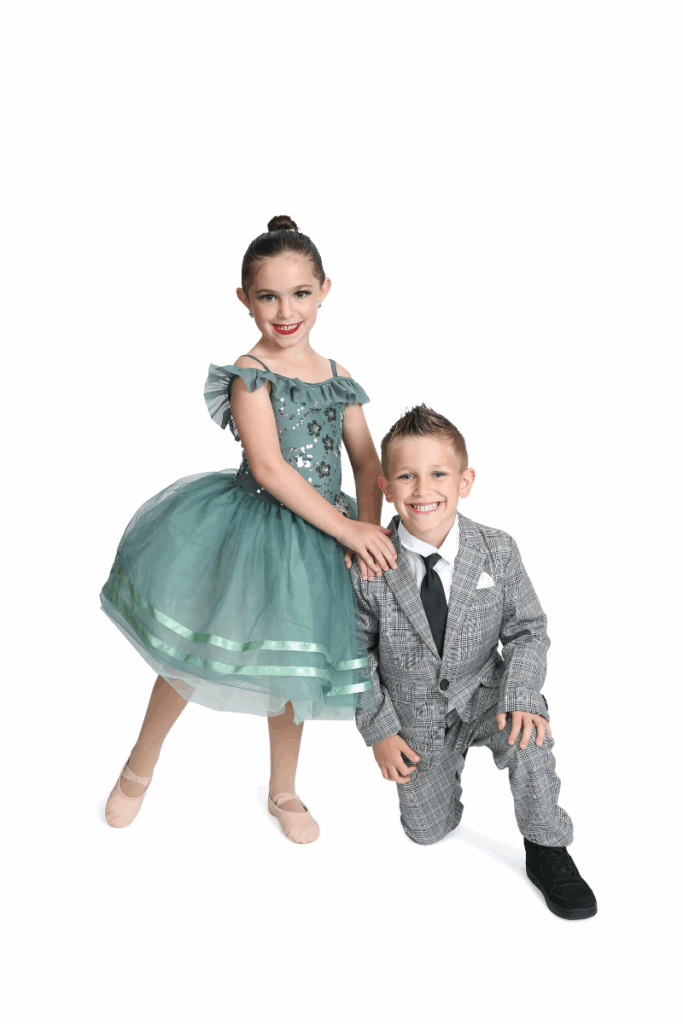
These twins are always fraternal and tend to be more easily seen as individuals. Teachers and peers naturally treat them differently, which reduces comparison. Opposite-sex twins are often less impacted by separation and more likely to thrive independently.
My twins ( shown above) are opposite sex, in fact they look so different from each other people don’t even realize they are twins at all. They do like to be together and find comfort in being in the same class. Altough they do not sit by each other, or play with each other, just knowing the other one is around is a comfort ( espeially to my daughter). But again, every set of twins are different and you really should follow the lead of what the twins are comfortbale with.
What Does The Research Show?
Research suggests that separating twins does not necessarily benefit their academic performance or social development—and in some cases, it may even hurt them socially and emotionally.
- In 2012 School Psychology Quarterly published a study that followed more than 2,000 twins and found no consistent advantage to separation. In fact, younger twins (especially in kindergarten and first grade) showed fewer emotional and behavioral problems when placed in the same classroom.
- A study done in the UK called The Twins Early Development Study (TEDS), one of the largest longitudinal twin studies, found that twins who were separated showed slightly more anxiety and social withdrawal, especially in their younger years.
- A study done in 2010 by Educational Psychology concluded that the decision to separate twins should be based on the individual needs and personalities rather than a blanket policy.
Let Them Make The Decision
The most effective strategy really depends on a case by case scenario. Always consider these things:
- The twins’ personalities and preferences
- Their emotional and social development
- Input from teachers and yourself as parents
- Previous experiences if they were in school together prior to this coming year
- What they want
Some twins may thrive side by side, while others may do better on separate paths. The key is to see what is best for them, ask them what they want or ask if they mind being seperated.
When dealing with my own twins, I honeslty didn’t think they would care, and my daughter looked me right in the face and said ” Why would you seperate us?” She hung on that for a couple of days too. She kept saying she didn’t want to be without him.

Things To Think About
- Observe and listen. Talk to the twins about how they feel, and observe their behavior in social and academic settings.
- Be flexible. What worked in kindergarten may not work in the next year.
- Collaborate. Teachers, counselors, and parents should work together to decide what’s best for twins.
Conclusion
Overall, the question to be answered isn’t should twins be in the same class—it’s what’s best for these twins, right now. With thoughtful consideration and a child-centered approach, schools and families can support the individuality and well-being of both children—whether they walk into the same classroom or not.
Here are some other twin ideas:
Back To School Ideas for Twins
 I'm 40 years old and a mom of 2 three year olds and a first grader. I am also a Special education teacher. My passion has always been to help people, which is why I started this blog.