
Managing behavior in a classroom effectively is crucial for setting up a successful school year. Having positive behavior will foster a positive learning environment, especially in elementary schools. Young students require guidance, structure, and encouragement to thrive. Here are some classroom management strategies that I have used myself in my 19 years of teaching, with very successful outcomes every year.
This post includes affiliate links. If you purchase something through it, we may receive a small commission.
The Importance of Classroom Behavior Management
Classroom behavior management plays a crucial role in creating an optimal learning environment for students. It sets expectations for behavior, promotes positive interactions among students, and fosters a sense of respect and responsibility within the classroom. When students are well-behaved, they are more engaged in their learning and have better academic outcomes.
Moreover, effective behavior management can also prevent disruptions and distractions that may hinder the learning process. It allows teachers to focus on delivering lessons without having to constantly address behavioral issues. This not only saves time but also ensures that students receive quality instruction.
1. Establish Clear Rules and Expectations
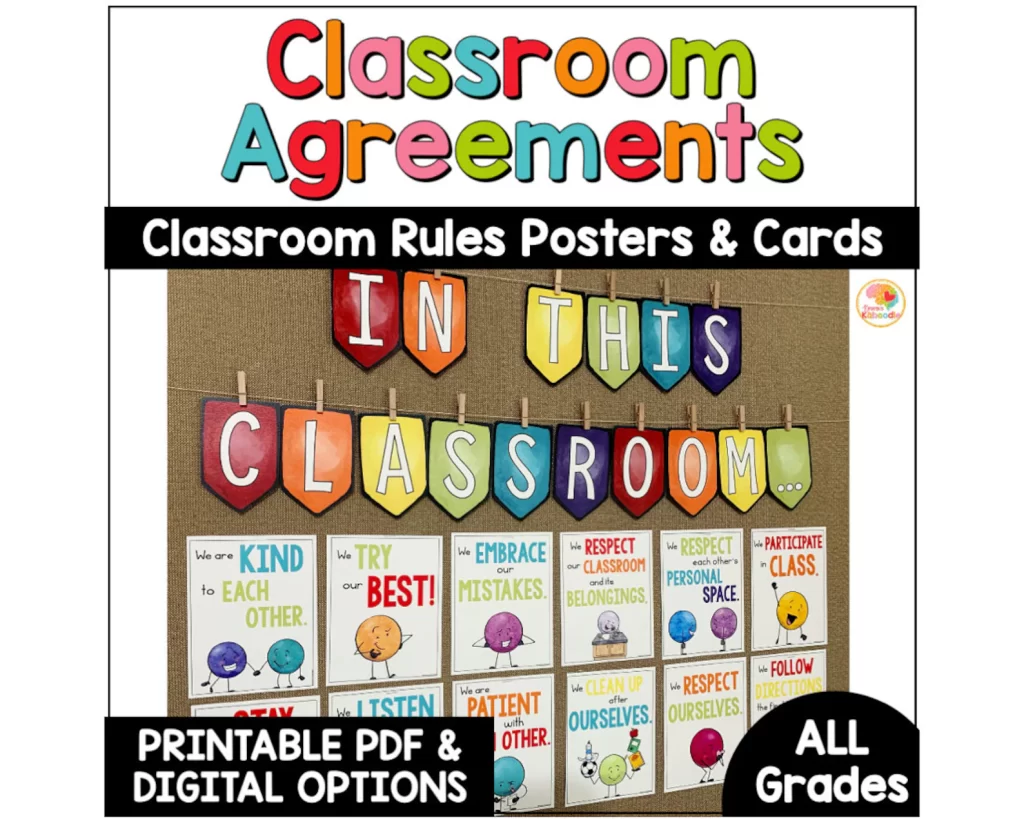
Children need to understand the boundaries and expectations from the start. Clear rules provide structure and predictability, which helps them feel secure and focused. Making them child friendly will help the children to understand the rules and how what they are expected to behave.
How to implement:
Create a simple list of classroom rules together. Have the children help create these rules so they feel like they are their rules too. Make sure you do this in the first day of school and read them regularly as part of the morning routines. Hang them in the classroom where they are able to see. If they are able have them sign them to acknowledge they know and read the rules. This will remind them of the rules they are expected to use everyday. Make sure you explain the rules in child friendly language and even act it out for them. Have them pick out what you did wrong.
Make sure to only use positive language when making the class rules. Never use the word NO.
Some of examples of classroom rules with positive language:
- Instead of “No calling out” say “Raise a quiet hand to speak.”
- Instead of “No running in the halls” say ” Walk quietly with your hands at your side.”
- Instead of “No hitting” say ” We keep our hands to ourselves.”
- Instead of “Don’t speak over the teacher” say ” We listen when the teacher talks, then we talk.”
2. Have Consistent Routines
Classroom routines are a big part of managing behavior in an elementary school classroom. They help students to understand what is expected and can actually reduce anxiety. They also minimize transitions causing less down town. Establish daily routines will help the classroom run smoothly. Routines should be established for almost everything in the classroom, especially in the younger grades. Spend the beginning of the school year practicing how these routines are done so it becomes second nature to them.


Routines To Incorporate In The Classroom :
- How to enter the classroom, unpack, where their homework goes, and how you want them to hang up their belongings.
- Transition around the room, from subject to subject, from class carpet to their seats.
- Daily calendar routine and daily schedule ( go over every day )
- Rotate classroom jobs monthly and have the children help with the responsibility of running the classroom smoothly.
- Lining up to go to lunch or go home (songs work well for this)
Here is an example of songs you can use for routines and transitions.
3. Use Positive Reinforcement
Using positive reinforcement is one of the best ways to manage behavior in the classroom. Recognizing and rewarding good behavior encourages students to repeat it. Positive reinforcement builds a supportive and motivating environment. You should have in place several ways to give positive praise and make sure that you are actively giving it, especially when a bad behavior comes out. Instead of reprimanding the bad- focus on the good.



Different ways to praise:
- Verbal praise- verbal praise will acknowledge good behavior immediately. Will give a child confidence and want them to try to get another compliment. You should also teach them to do this to each other with compliments. This can be as simple as “Jenny you wrote that letter perfectly.” or “You’re really being a kind friend.”
- Use reward systems- You should have several kinds of reward systems set up in the classroom, individual, table, and whole class. This can look like an individual sticker chart that is placed on their desk or a wall. When they receive a certain number they can pick from a prize basket.
- Table points -table points reward the table for working hard together and will encourage that to continue. Have it hung up somewhere too they can see how many points the need to get to their goal of a table prize or reward. Using tallies works well for tables points.
- Classroom Points– This can be great to get the class to walk quietly in the hallway or to be on their best behavior when people enter the classroom. They can receive a class compliment and receive a class prize such as a party, free time ( juice, pizza, play dough, outside recess), or maybe even a movie.
The form you have selected does not exist.
4. Effective Communication
When building good behavior in the classroom, you need to use clear and respectful communication. This will help students to understand expectations while also feeling valued. It also helps in resolving conflicts and addressing behavioral issues constructively. Teaching your students how to effectively communicate is not an easy task, but it is definitely an important one.
How to implement:
- Use “I” statements to express your feelings and expectations, e.g., “I need everyone to listen so we can finish our lesson.”
- Practice what effective listening sounds like.
- Listen actively to students’ concerns and respond empathetically.
- Establish a signal for getting students’ attention, such as a hand clap pattern or a bell. This will form respect, and appropriate communication.
5. Classroom Layout
The physical arrangement of the classroom can impact students’ behavior and interaction. A well-organized space promotes easy movement and minimizes distractions. You may start the year with a certain design and have to change the arrangements due to behaviors- and that’s okay!
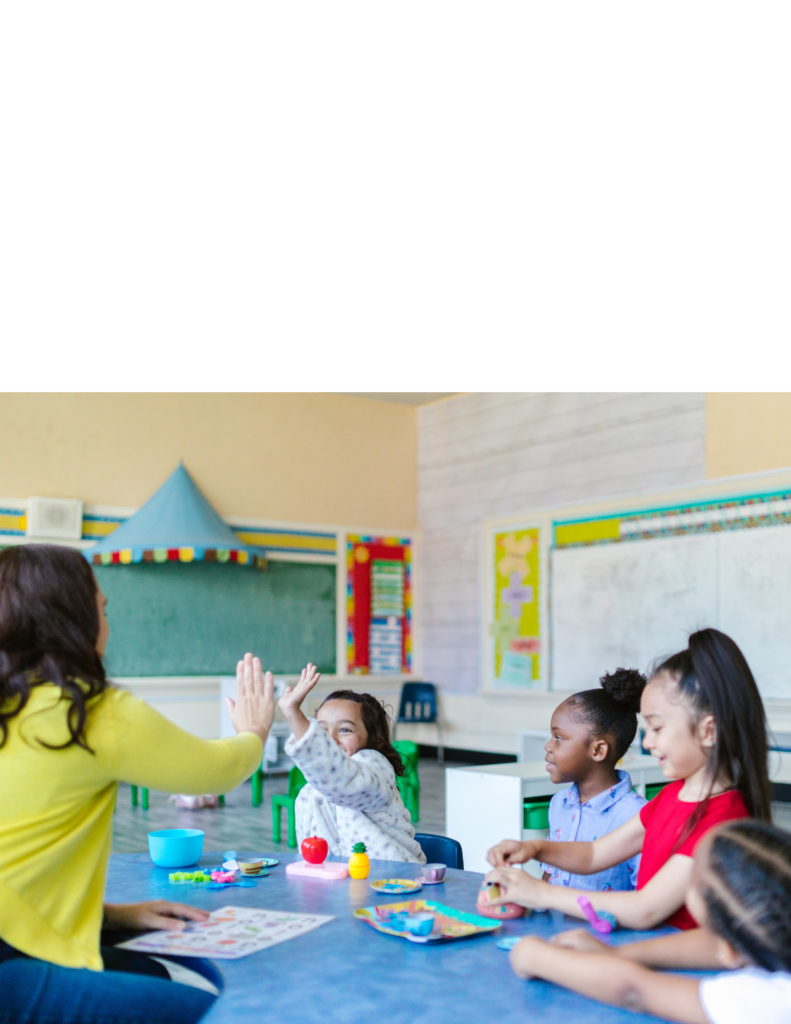
Group Work Table Arrangements
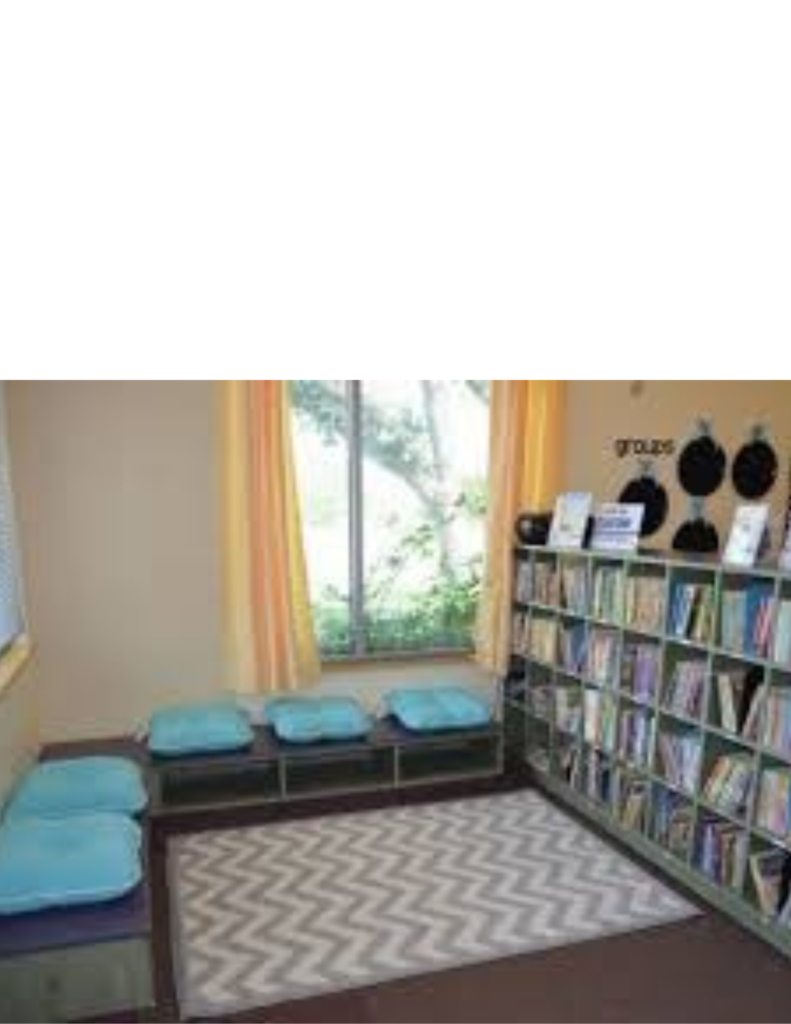
Reading Nook
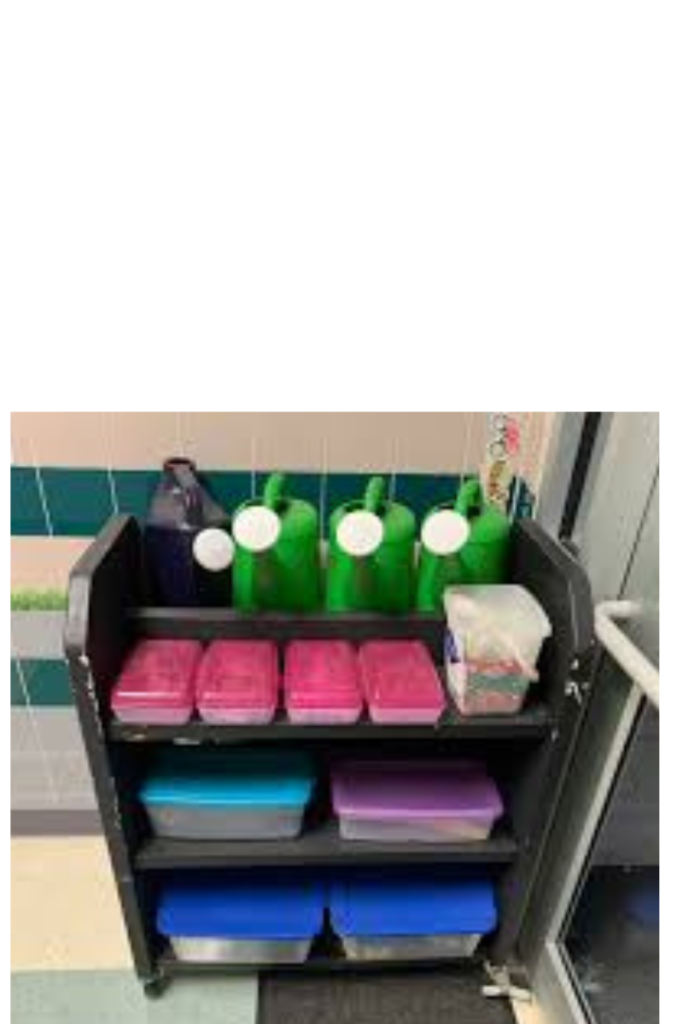
Easily Accessible Storage
Ideas for classroom design:
- Arrange desks or tables to facilitate collaboration and supervision. This fosters group work and makes it easier for children to talk to each other and have meaningful discussions.
- Create distinct areas for different activities, such as reading corners and group workstations.
- Ensure that materials and resources are easily accessible to minimize disruptions. Label all materials and have them grouped by activity. eg. writing materials baskets, worksheets, glue.
Conclusion
Effective classroom management is about creating an environment where students feel safe, respected, and motivated to learn. By establishing clear rules, maintaining consistent routines, using positive reinforcement, engaging students in their learning, communicating effectively, arranging the classroom strategically, and building strong relationships, teachers can foster a positive and productive classroom atmosphere. These strategies not only help in managing behavior but also contribute to the overall development and success of elementary school students.
Try these other posts about classroom ideas:
Back To School Ideas For Twins
 I'm 40 years old and a mom of 2 three year olds and a first grader. I am also a Special education teacher. My passion has always been to help people, which is why I started this blog.